Social Media Privacy: Why Our Privacy Is Dying and How We Can Save It
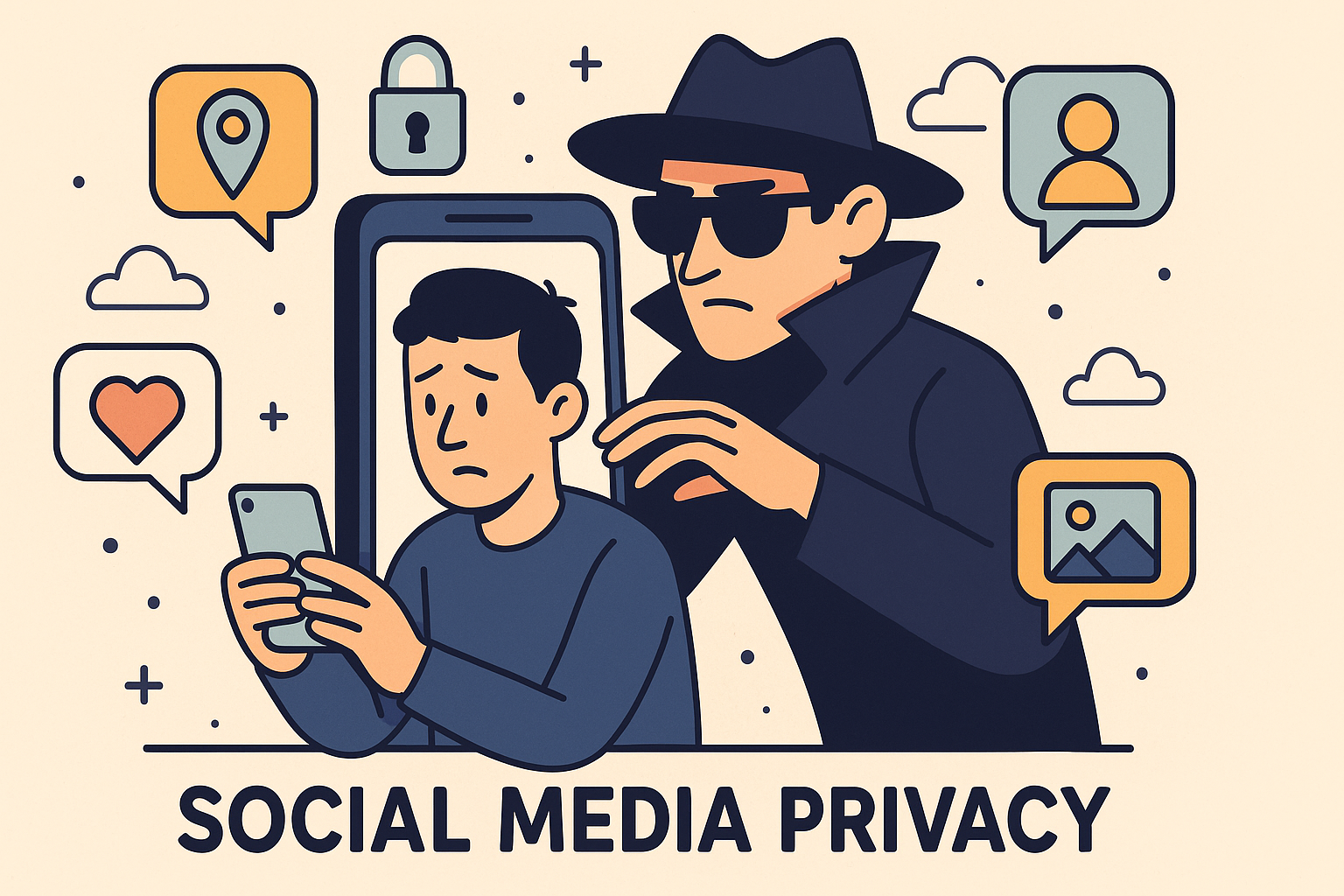
In our interconnected world, platforms like Facebook, Instagram, Twitter and others have become part of daily life. But with connectivity comes a cost: our privacy. In this blog we’ll unpack how social media is killing our privacy, what the impacts could be in the future, and what you can do to stay on the safe side.
How Social Media Is Killing Our Privacy?
Social media platforms thrive on the massive collection of personal data. They gather information about users’ interests, behaviors, locations, and even political views, often without full transparency. This data is used to build detailed profiles that help companies sell targeted advertisements and customize content feeds. According to sources like EPIC.org and IEEE Digital Privacy, these practices allow platforms to monetize our online presence while quietly eroding our control over personal information.
Another major concern is location and identity leakage. Through features like geotagging, metadata in photos, real-time posts, and passive tracking, social media makes it easy to pinpoint where someone is or even reveal their identity without consent. Reports from Kaspersky highlight how such exposure can lead to stalking, identity theft, or unauthorized surveillance. Compounding this issue is oversharing—many users post content meant for close friends, but with just a few clicks, it can be shared, screenshotted, or viewed by unintended audiences, as noted by CloudTweaks. Once online, removing such information completely is nearly impossible.
Finally, algorithmic profiling and data misuse pose long-term privacy threats. As IEEE Digital Privacy explains, platforms analyze data to influence what users see, shaping opinions, behaviors, and even beliefs through personalized ads and content. Meanwhile, the risk of data breaches and third-party misuse continues to grow. Centralized data storage means that when a system is hacked or misused, millions of users’ private details can be compromised at once. Together, these issues paint a troubling picture of how social media’s design prioritizes profit and engagement over user privacy and digital safety.
Future Impacts: What Could Happen If We Don’t Act?
As more of our lives move online, our privacy and anonymity continue to shrink, leaving us exposed to constant tracking and surveillance by social media platforms that often know more about us than we realize. This deep profiling can lead to manipulation and trust erosion, as algorithms shape our beliefs and behaviors within filter bubbles. Privacy itself has become a commodity we pay for “free” services with our data, attention, and habits. The consequences extend beyond the digital world: posts made today can impact future job opportunities or reputations, as Kaspersky warns. Over time, the normalization of surveillance may erode personal freedoms, while younger users, less aware of these dangers, risk creating lasting privacy debts that follow them throughout their lives.
How we can be on the safe side?
To stay safe on social media, start by being mindful of what you share. Always ask yourself, “If this goes public, am I okay with that?” Avoid posting sensitive details such as your address, travel plans, or identification numbers. Review and adjust your privacy settings making posts visible only to trusted people, disable geotagging, and limit who can see your profile. Before uploading photos, check for hidden metadata or location tags that could reveal more than intended. Also, restrict app permissions and be cautious when third-party apps request access to your data.
Protecting your accounts is equally important. Use strong, unique passwords for every platform and enable two-factor authentication to prevent unauthorized access. Regularly review and clean up old posts that may no longer reflect who you are or could compromise your privacy. Stay informed — as CloudTweaks notes, platforms frequently update policies, and new threats emerge all the time. Finally, consider reducing your social media footprint and be selective about friend or follower requests, as online impersonation and social engineering remain common tactics used to invade privacy.